I want to be honest with you from the start: I almost didn't go. The booking was made months earlier, during one of those late-night wine-fueled moments when everything seems like a great idea. By the time November rolled around, work was chaos, my apartment needed repairs, and a week in rural Tuscany felt like an indulgence I couldn't justify.
I'm writing this two months later, and I can tell you without exaggeration — it was the most meaningful trip I've ever taken. Not for the wine, although the wine was extraordinary. Not for the food, although I ate better than I have in years. It was the people.
Arriving at Podere della Luna
The estate sits about 15 kilometers outside Montalcino, up a gravel road that my rental car's GPS insisted didn't exist. "Recalculating... recalculating..." for twenty minutes until I finally gave up and followed the hand-painted signs nailed to olive trees.
Giovanni met me in the courtyard. He's 58, built like a man who's spent his life hauling wine barrels, with hands stained permanently purple from decades of harvests. His English is functional but enthusiastic, punctuated with Italian when he gets excited — which is often.
"You will eat with us tonight, yes?" It wasn't really a question. Within an hour of dropping my bags in a converted stone outbuilding, I was sitting at a long wooden table in their kitchen, surrounded by three generations of Bartalis.
Nonna Maria's Kitchen
Giovanni's mother, Maria, is 80 years old and runs the kitchen like a benevolent dictator. She doesn't speak English, but communication was never a problem. She'd point at a dish, say something rapid-fire in Italian, and Giovanni would translate: "She wants you to eat more. She says you're too skinny for an American."
That first night, she made pici — thick, hand-rolled pasta that's a specialty of this region. I've had pici in restaurants. It's fine. Watching Maria make it, feeling the texture of the dough as she let me roll a few pieces myself, understanding the simple importance of doing something exactly the same way for sixty years — that's something you can't get from a menu.
"The recipe doesn't change because the family doesn't change. This is what my grandmother made. This is what my mother made. Now my granddaughter stands next to me and learns."
— Maria Bartali (translated by Giovanni)
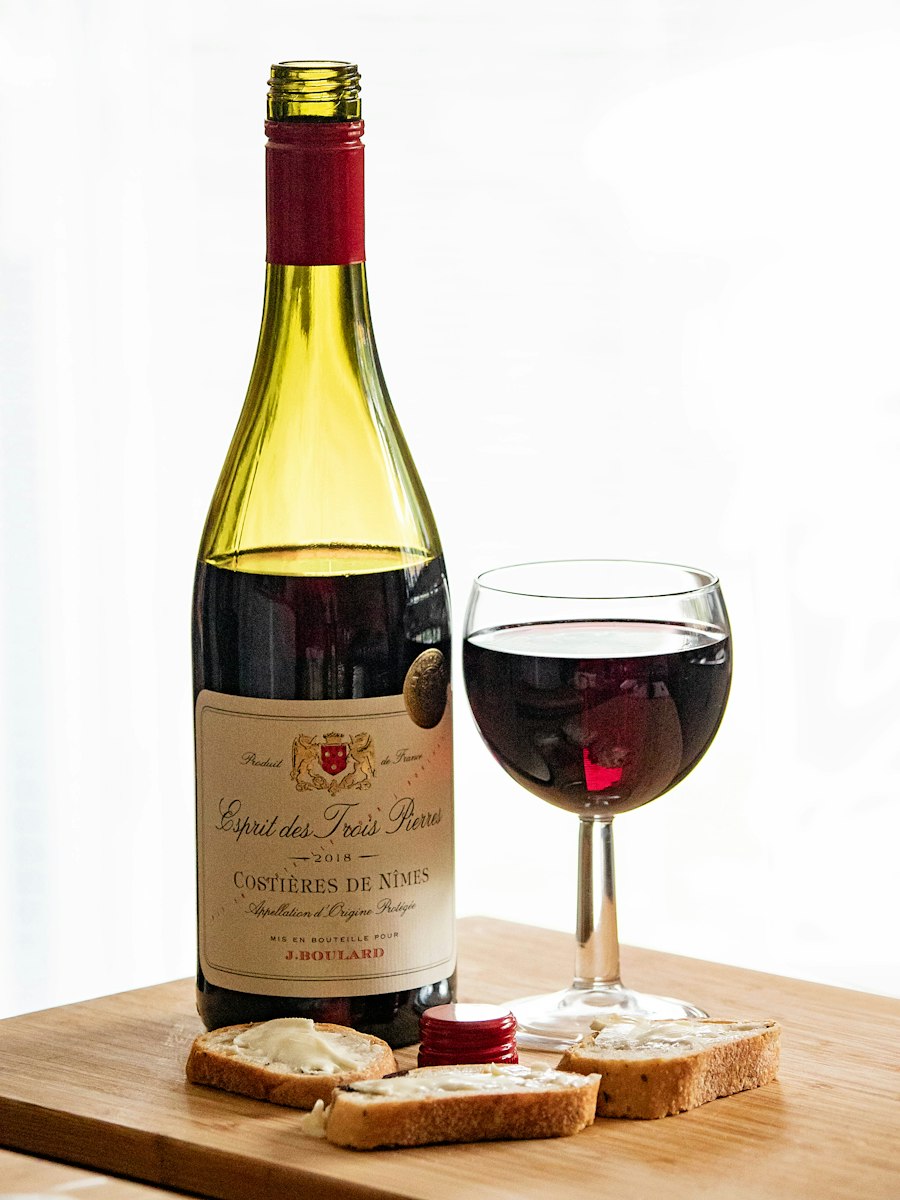
The sauce was deceptively simple: garlic, tomatoes from the garden, a modest amount of olive oil from their own press. The wine — a 2018 Rosso di Montalcino from the estate — made everything sing. I had three plates. Maria nodded approvingly.
Understanding Brunello
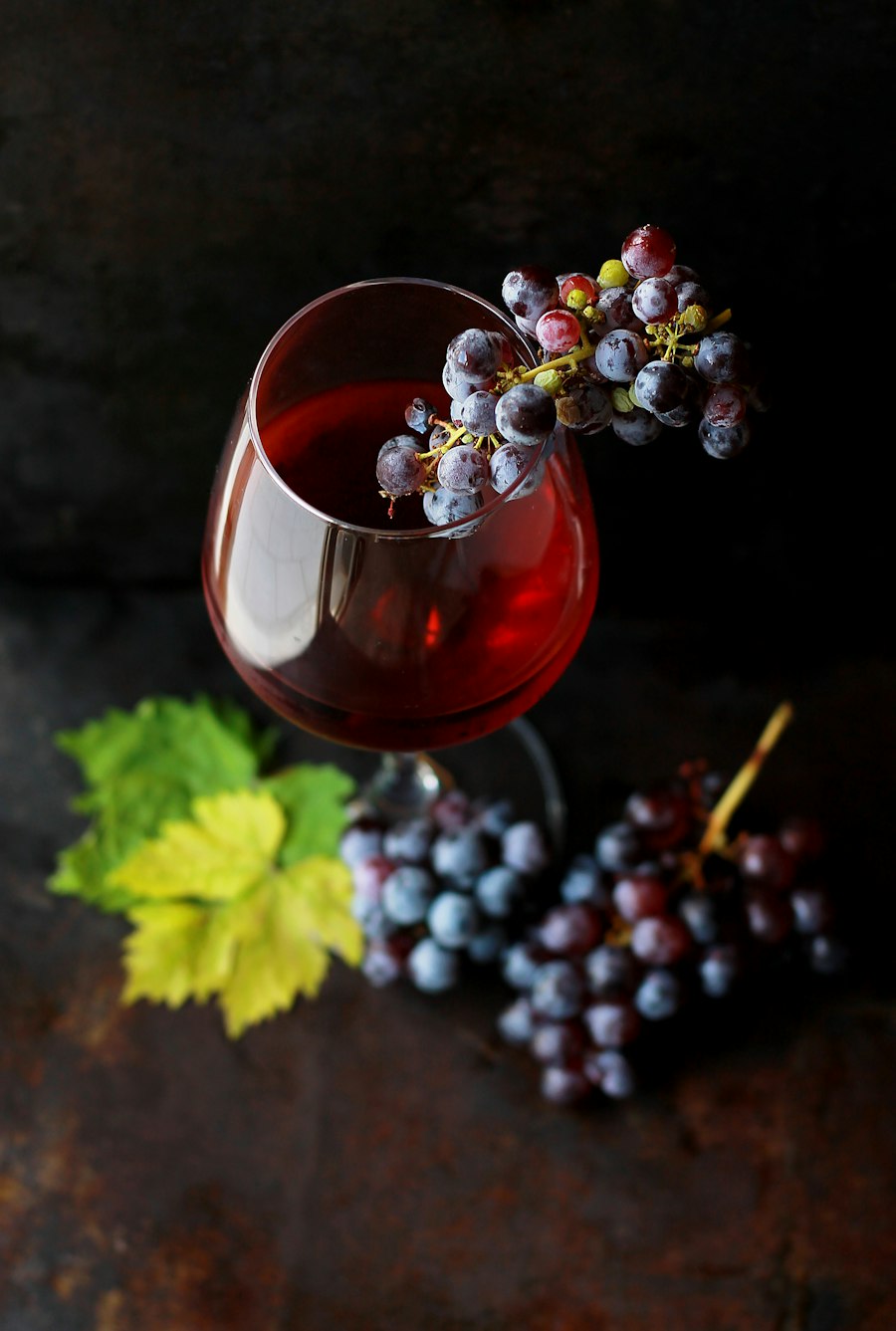
The next morning, Giovanni walked me through the vineyard. Podere della Luna produces about 8,000 bottles per year — microscopic by industry standards. They sell almost everything directly to customers who visit, plus a few restaurants in nearby towns who've been buying from the family for decades.
"The big producers, they can make wine that tastes the same every year," Giovanni explained. "Very consistent. Very... boring." He spat the last word like an insult. "We make wine that tastes like truth. 2021 was hot and dry. You can taste the struggle of the vines. 2022 had more rain. The wine is softer, more generous. Each year tells you what happened here."
We tasted through five vintages of their Brunello, and I started to understand what he meant. This wasn't the standardized experience of a commercial tasting room. It was a conversation about weather, about family decisions, about a particularly cold April night when Giovanni stayed up until 4 AM lighting fires between the rows to save the buds from frost.
The Day That Changed Everything
On my fourth day, Giovanni asked if I wanted to join them for pranzo — the big midday meal that Italian families still take seriously. I'd been eating with them every evening, but lunch felt different. More intimate somehow.
The whole family was there: Giovanni, his wife Claudia, Maria, their adult son Marco (who handles the business side of the winery), Marco's wife Elena, and their two kids. Seven-year-old Sofia demanded to sit next to me and spent the meal teaching me Italian words for various vegetables, which I immediately forgot.
At some point during the secondo course — roasted chicken with potatoes from the garden — I realized I had stopped thinking of myself as a guest. The conversation flowed around me, half in Italian, half in broken English, and I was part of it. Marco wanted to know about wine culture in California. Elena asked about my writing. Sofia showed me her drawings.
When lunch ended three hours later, Giovanni poured everyone a small glass of vin santo from a dusty bottle. "This is my father's last vintage," he said quietly. "He passed in 2019. But here..." he tapped his chest, then the bottle, "...he is still with us."
I won't pretend I didn't get emotional.
Practical Information
For those who might want to visit, here's what you need to know:
Getting There
Fly into Florence or Rome. Rent a car — public transportation to this part of Tuscany is essentially non-existent. The drive from Florence takes about two hours; from Rome, about three. GPS will fail you on the final stretch. Embrace the adventure.
Booking
The Bartali family doesn't do mass tourism. They take maybe 20-25 guests per year for week-long stays. Write to Giovanni directly (his email is on their simple website). Expect to wait. Be patient. It's worth it.
Cost
The stay includes accommodation, all meals with the family, and daily tastings. It's not cheap — roughly €300 per night — but consider that you're getting three meals, unlimited access to their wines, and an experience that money typically cannot buy.
Best Time to Visit
Harvest is in late September/early October if you want to participate. But honestly? November was magical. The crowds in Montalcino are gone, the landscape is all golds and browns, and the family has more time to spend with guests.
The Goodbye
On my last morning, Maria pressed a jar of her tomato sauce into my hands. Giovanni walked me to my car. We'd exchanged emails, phone numbers, Instagram handles — all the modern rituals of friendship. But when we shook hands, he pulled me into a hug instead.
"You come back," he said. "For the harvest. You help us pick grapes. Okay?"
I haven't booked it yet. But I know I'm going.
That jar of sauce is still in my refrigerator. I can't bring myself to open it.
Have questions about planning a Tuscan wine trip? Feel free to reach out. I'm always happy to share more details with fellow travelers.